Rusted Textured Glyphs: A Rustic Typeface for Handmade Brands
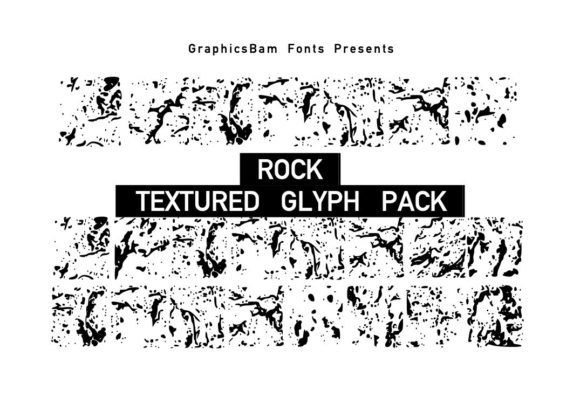
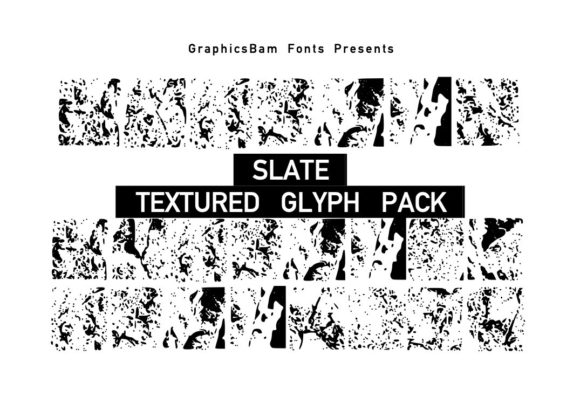
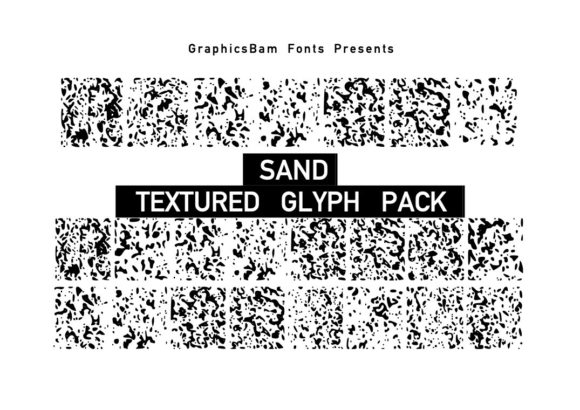
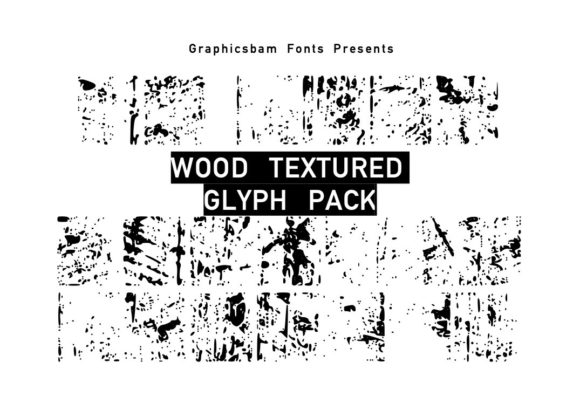
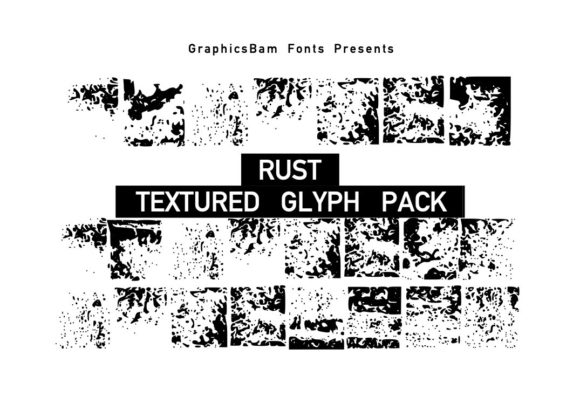
The coffee is hot, the cutting mat is clean, and I am staring at a blank digital canvas. Today’s project is a batch of artisanal candle labels for a new lavender-vanilla blend. I need something that feels grounded, earthy, and tactile—something that whispers "handcrafted" before the customer even reads the scent notes. That is exactly when I reach for Rusted Textured Glyphs. It isn’t just another font; it is a mood board in typeform. As a maker who spends hours tweaking mockups and testing sticker sheets, finding a typeface that instantly elevates product presentation is rare. This dingbat-style font brings an immediate sense of aged metal and weathered charm to any design, turning simple text into a visual texture that demands attention.
Why Texture Matters in Product Design
In the world of handmade goods and digital printables, visual hierarchy is everything. When you are designing boutique tags, wedding invitations, or planner pages, the typography sets the emotional tone. Rusted Textured Glyphs does not try to be subtle. It leans into its industrial, vintage personality with jagged edges and uneven surfaces that mimic real oxidation. This makes it perfect for display use, where the goal is to grab the eye and convey a specific aesthetic immediately.
I recently used this creative font for a set of farmhouse-style welcome boards and holiday tags. The rough, textured look of the glyphs adds depth without needing complex layering effects in Photoshop or Illustrator. It gives the illusion of physical material—like stamped tin or engraved wood—right on the screen. For sellers of physical merchandise, such as mugs, shirts, or tote bags, this translates beautifully. When printed on kraft paper tags or heat-transferred onto cotton, the rugged character of the letters enhances the perceived quality of the item. It signals to the buyer that the product inside is authentic and carefully made.
Real-World Applications for Makers and Sellers
One of the biggest challenges in selling online is making digital files feel tangible. Whether you are creating SVG designs for Cricut or Silhouette users, or producing high-resolution PDFs for printable wall art, the right typeface bridges that gap. Here is how I have integrated Rusted Textured Glyphs into various product lines:
- Candle and Soap Labels: The rustic vibe pairs perfectly with natural ingredients. I use short phrases like "Hand Poured" or "Organic Soy" in this font to anchor the label design, letting cleaner fonts handle the ingredient lists.
- Wedding Stationery: For couples aiming for a boho or barn wedding theme, these glyphs add a touch of romantic decay. They work wonderfully on outer envelopes or welcome signs, offering a unique alternative to standard script fonts.
- Seasonal Packaging: During autumn and winter, I switch to warmer, earthier palettes. Using this font on gift tags or packaging inserts creates a cohesive brand identity that feels seasonal and cozy.
- Digital Templates: If you sell Canva templates or Notion planners, including this font as an option adds value. It appeals to users looking for bold, editorial design elements that stand out in social media graphics.
Readability and Cutting Machine Tips
While the aesthetic appeal is undeniable, practicality must come first, especially when preparing files for cutting machines or small-format printing. Because Rusted Textured Glyphs is a decorative, textured typeface, it can become difficult to read if scaled too small or used for long paragraphs. I always advise keeping usage to short phrases, names, titles, or single words.
When exporting SVGs for vinyl cutters, check the kerning closely. The irregular edges of the glyphs can sometimes cause minor overlap issues if the spacing is too tight. Test your cuts on scrap material first, particularly for intricate letters that might break during weeding. For product labels and stickers, ensure there is enough contrast between the dark, rusted text and the background color. A light cream or white background often works best to make the dark, textured characters pop, ensuring legibility even from a distance on a store shelf.
Strategic Font Pairing for Balanced Designs
No single font can do everything. To maintain readability and professional polish, pairing Rusted Textured Glyphs with simpler typefaces is essential. Since this is a heavy display font, it needs support from lighter, cleaner styles. I frequently pair it with a clean sans serif font for body text or instructions. The contrast between the rough, organic shape of the glyphs and the sleek, modern lines of a sans serif creates a dynamic visual tension that keeps the design interesting without being chaotic.
For more elegant projects, such as bridal shower invites or upscale boutique branding, consider pairing it with a delicate script font or a classic serif font. The juxtaposition of the rugged "rust" against smooth, flowing cursive or refined serifs suggests a balance of strength and grace. This combination is highly effective for brand identity, helping customers recognize your shop’s unique voice. It tells a story of craftsmanship rooted in tradition but presented with modern clarity.
Technical Considerations for Commercial Use
Before finalizing your designs for sale, it is crucial to review the technical specifications of the font pack. Check for included styles, alternates, ligatures, swashes, and weights. These features allow you to customize the look of your text, adding unique flourishes to logos or special emphasis to key words. Ensure the file formats provided are compatible with your preferred software, whether that is Adobe Illustrator, InDesign, or free alternatives.
Furthermore, verify multilingual support if you plan to create content for international audiences. Most importantly, understand the commercial font licensing terms. If you are selling physical products, templates, printables, or merchandise, you need to know if the license covers unlimited sales or requires additional fees. Clear licensing protects your business and ensures you can confidently list your items on platforms like Etsy or Shopify without legal concerns. By treating typography as a strategic design asset, you elevate every touchpoint—from the listing image to the final packaged product—creating a memorable experience for your customers.